Avascular Necrosis of the Femoral Head in Hauts-de-Seine
Hip Surgery
What Is Avascular Necrosis of the Femoral Head?
Dr Simon Tournemine in Hauts-de-Seine (92)
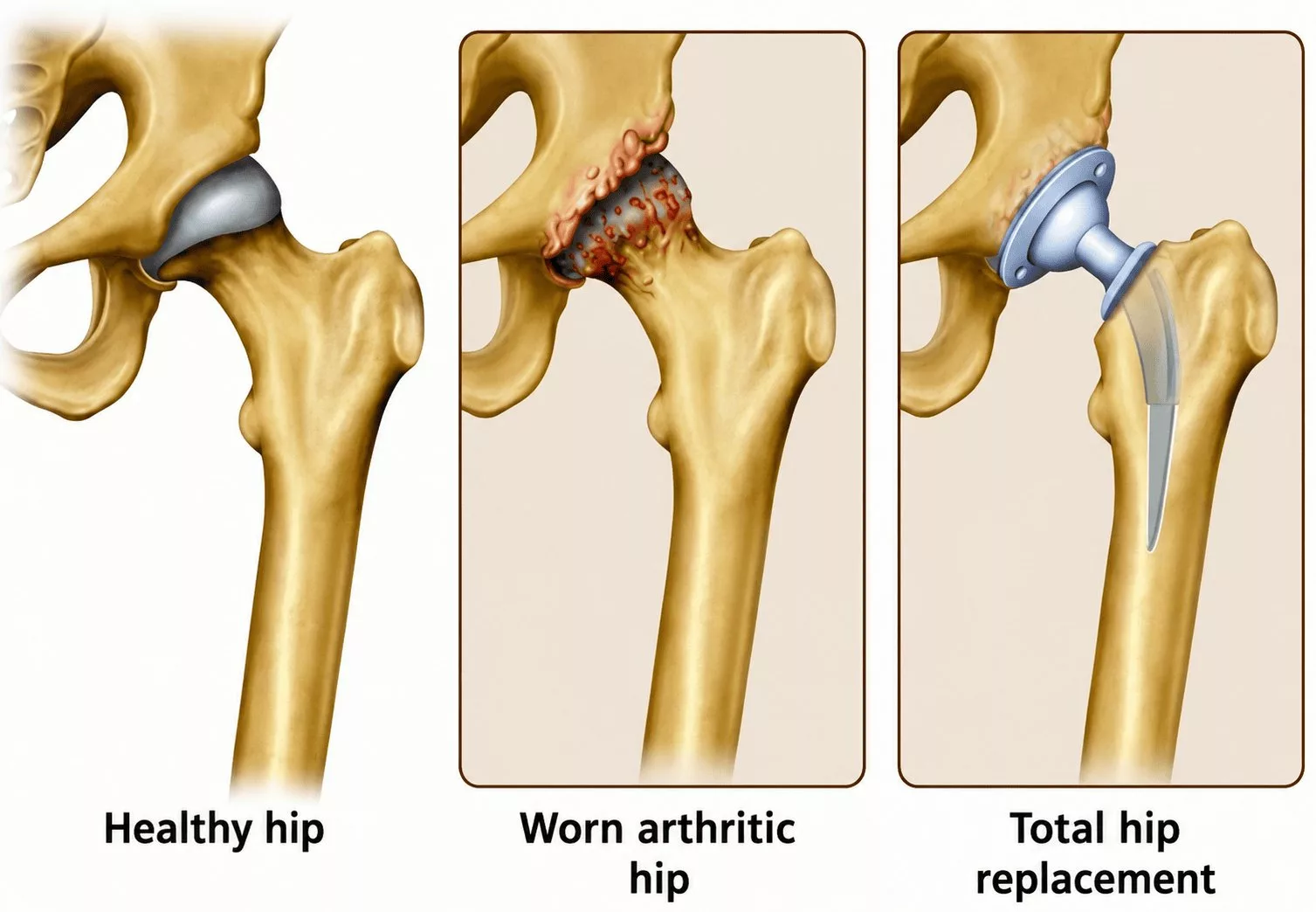
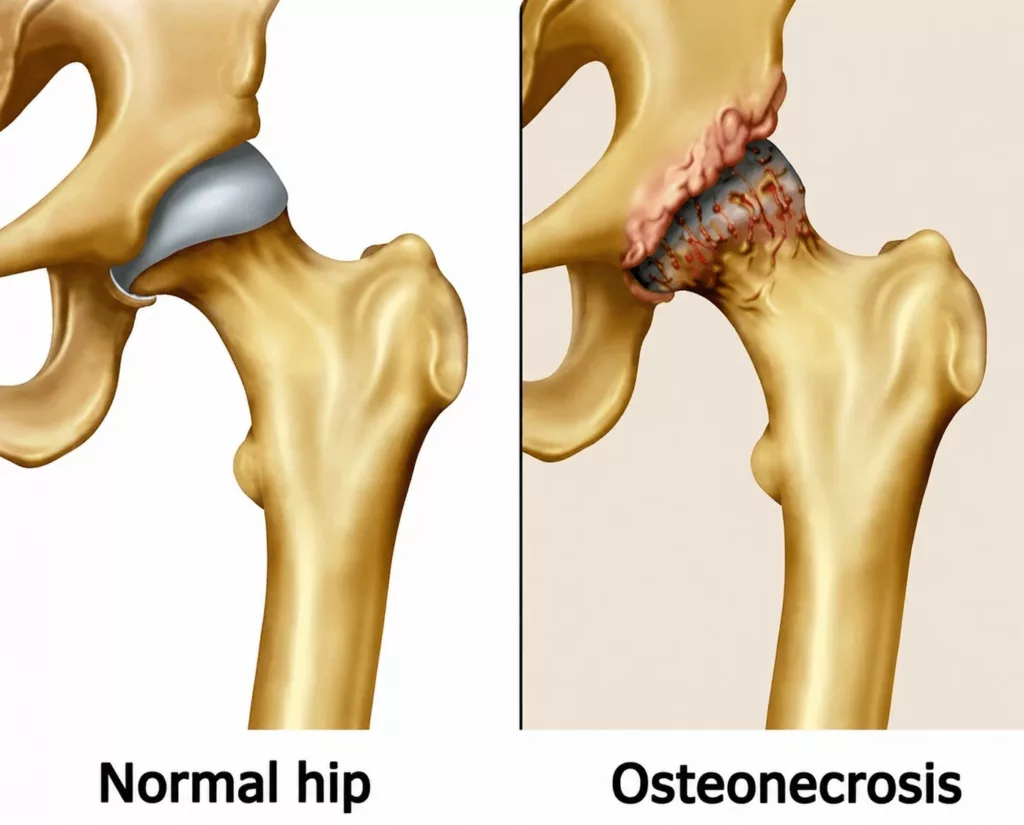
Avascular necrosis of the femoral head, also known as hip osteonecrosis, is a rare condition, affecting approximately 2.51 people per 100,000 population. It occurs predominantly in men between the ages of 30 and 60. The condition develops when the blood supply to the femoral head is disrupted, leading to the death of bone cells. Over time, the weakened femoral head may collapse and fracture, ultimately resulting in progressive destruction of the hip joint and the development of hip osteoarthritis.
Causes and Risk Factors for Avascular Necrosis of the Femoral Head
Hip Surgery Specialist in Hauts-de-Seine (92)
Avascular necrosis of the femoral head is an uncommon condition, affecting approximately 2.51 people per 100,000 population, and occurs most frequently in men aged between 30 and 60 years.
The principal recognised causes and risk factors include:
- Femoral neck fracture (particularly in older patients)
- Smoking
- Excessive alcohol consumption
- Long-term corticosteroid therapy
- Barotrauma, such as a diving accident
- Blood disorders and autoimmune diseases, including lupus and sickle cell disease
- HIV infection and antiretroviral therapy
In approximately 20% of cases, no underlying cause can be identified.
Avascular Necrosis of the Femoral Head in Rueil-Malmaison
Hip Surgery in Hauts-de-Seine
Symptoms of Avascular Necrosis of the Femoral Head
Gradually increasing hip pain is often the first symptom of avascular necrosis. The pain is commonly felt in the groin but may also be experienced in the buttock and radiate into the thigh. Symptoms typically worsen during physical activity, walking or climbing stairs and are relieved by rest.
Many patients also experience stiffness of the hip joint, particularly in the morning, requiring a short period of movement before normal mobility returns. As pain becomes more severe and persistent, a limp may develop, sometimes making the use of a walking stick necessary. Everyday activities such as picking objects up from the floor, climbing stairs, getting out of a car or putting on socks may become increasingly difficult.
The condition usually progresses slowly, with painful flare-ups alternating with periods of relative symptom relief.
Preventing Avascular Necrosis of the Femoral Head
Although avascular necrosis cannot always be prevented, controlling recognised risk factors may help reduce its progression. Recommended measures include:
- limiting alcohol consumption and avoiding smoking;
- maintaining a healthy, balanced diet;
- engaging in regular physical activity;
- using corticosteroid medication only under medical supervision and according to your doctor’s recommendations;
- avoiding barotrauma during scuba diving;
- achieving a healthy weight if overweight.
Excess body weight increases the mechanical load placed on the hip joint, which may contribute to the development of osteoarthritis. Weight reduction can help relieve pressure on the joint, reduce pain and limit the progression of joint degeneration.
Diagnosis of Avascular Necrosis of the Femoral Head
Clinical assessment evaluates both symptoms and the impact of the condition on daily activities and independence, including walking distance, climbing stairs and dressing. The examination looks for a limp, differences in leg length, reduced hip mobility and loss of muscle bulk.
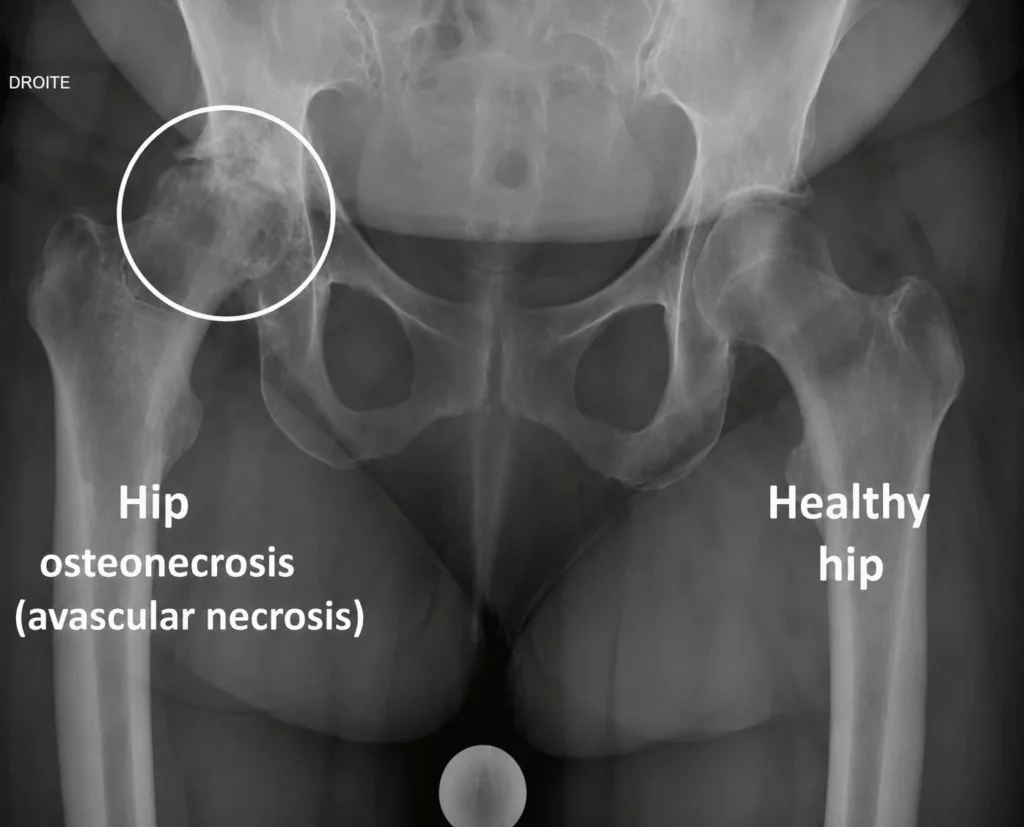
Standard X-rays of both hips help confirm the diagnosis and may demonstrate:
- narrowing of the joint space caused by cartilage loss;
- loss of the normal spherical shape of the femoral head, with collapse of the articular surface;
- increased bone density beneath the cartilage (subchondral sclerosis);
- abnormal bony projections around the joint, known as osteophytes.
In the early stages of avascular necrosis, X-rays may appear normal. In these situations, magnetic resonance imaging (MRI) is recommended, as it is more sensitive and allows early-stage osteonecrosis to be detected before changes become visible on standard radiographs.
Treatment of Avascular Necrosis of the Femoral Head
There is currently no treatment capable of curing avascular necrosis of the hip, and the natural progression of the disease is generally unfavourable. However, symptoms may be relieved through conservative measures, including weight management, maintaining regular physical activity and the use of medications such as paracetamol and non-steroidal anti-inflammatory drugs (NSAIDs). Corticosteroid injections into the hip joint may also provide temporary pain relief in selected patients.
Surgical treatment becomes necessary when conservative management no longer provides adequate symptom control. Joint-preserving procedures, which aim to preserve the femoral head, include:
- Core decompression of the femoral neck combined with bone marrow injection
- Rotational osteotomy of the femoral head
However, these procedures are now performed less frequently because their clinical outcomes have proved disappointing, and they are no longer routinely recommended.
The standard non-conservative surgical treatment consists of replacing the damaged joint with a total hip replacement (total hip arthroplasty). Total hip replacement is considered the reference treatment for advanced avascular necrosis of the hip and provides excellent clinical outcomes.