Orthopaedic News
Dr Simon Tournemine in Hauts-de-Seine (92)
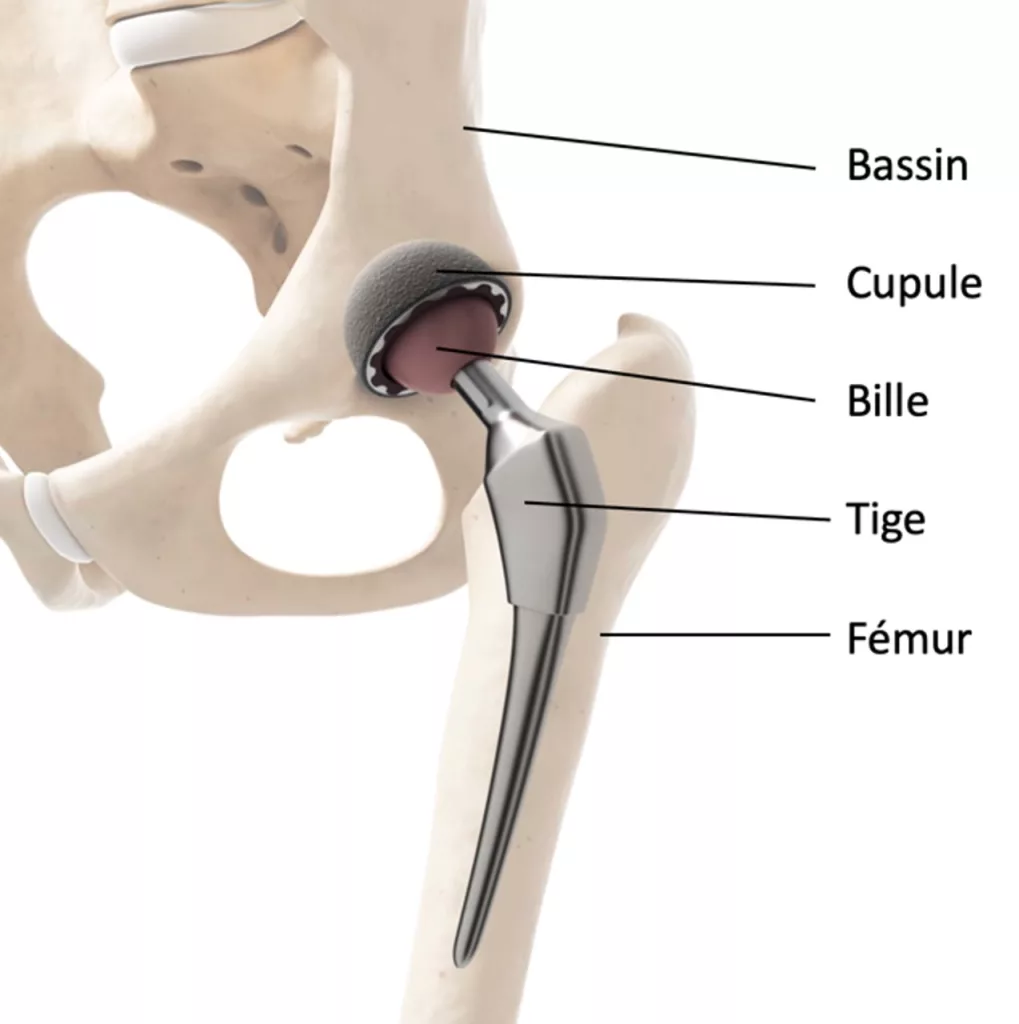
When Should You Consider a Hip Replacement? A Complete Guide
The hip is one of the most heavily used joints in the human body. When it becomes painful, the impact on everyday life can be considerable. Walking, putting on shoes or socks, getting in and out of a car, or simply standing up from a chair may become increasingly difficult.
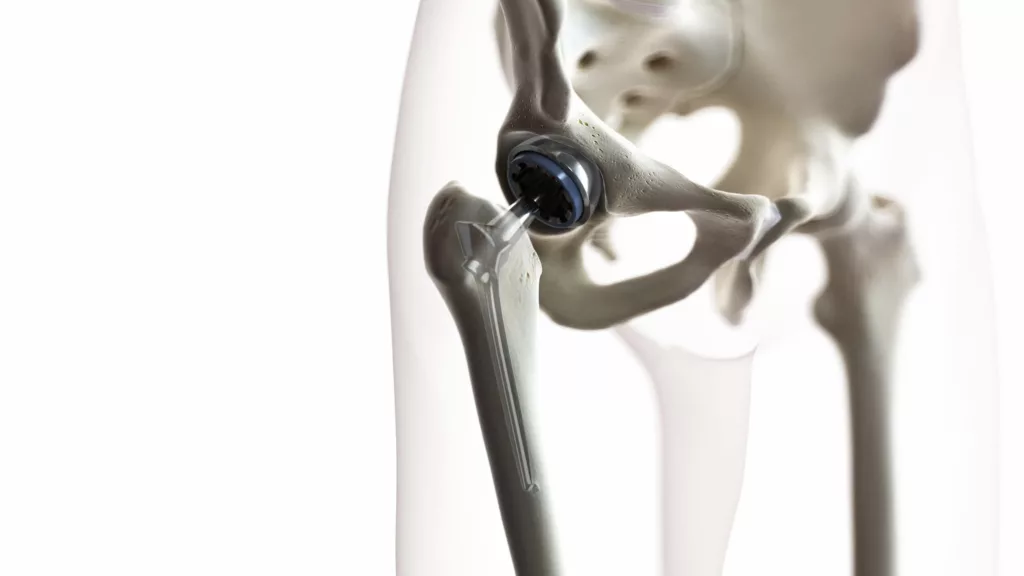
When the hip joint is severely damaged, total hip arthroplasty (hip replacement surgery) is a well-established procedure that consistently delivers excellent functional outcomes and significant pain relief.
Should an Achilles Tendon Rupture Be Treated Surgically?
An Achilles tendon rupture can affect both elite athletes and recreational sports enthusiasts. Once the diagnosis has been established, one important question arises: is surgery necessary, or can the tendon heal successfully with immobilisation alone?
Pain After Foot Surgery: What Should You Expect?
This is one of the questions patients ask most frequently during consultation. Whether performed for hallux valgus, Morton's neuroma, hammer toes, or other foot disorders, foot surgery has long been associated with significant postoperative pain. However, pain management has undergone a remarkable transformation over the past decade. Today, the idea that patients should expect to suffer after surgery is outdated.
When Should Morton’s Neuroma Be Treated Surgically?
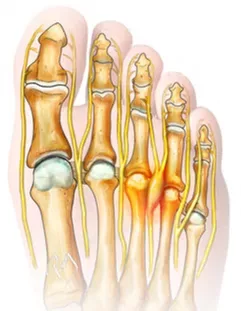
Morton's neuroma is a common foot condition that causes pain in the forefoot and toes, particularly when walking or participating in sporting activities. But how should it be treated, and when does surgery become the most appropriate option?
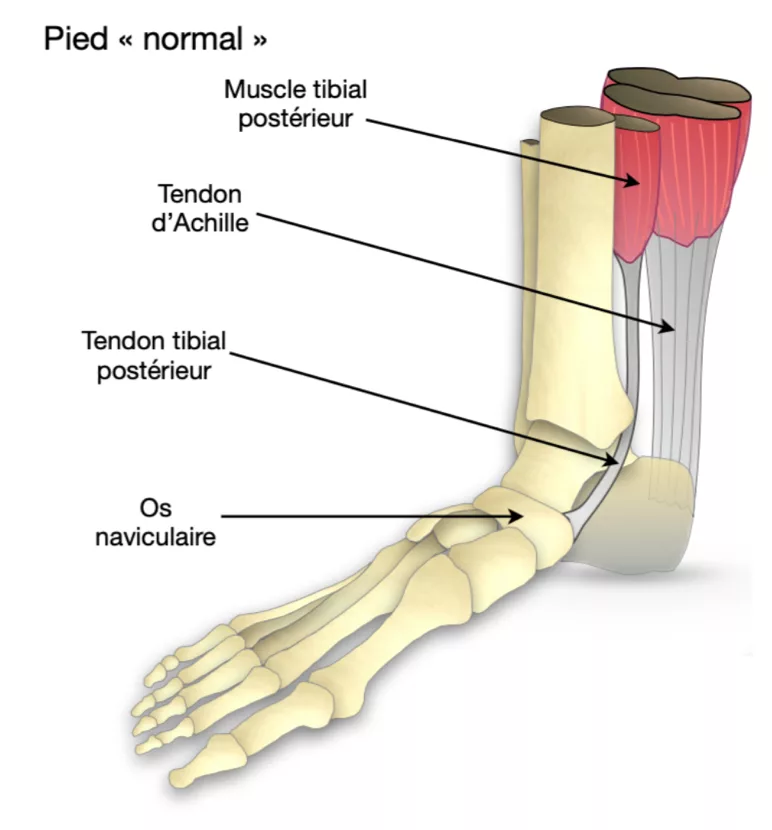
Accessory Navicular Bone: When Is Surgery Necessary and What Are the Alternatives?
An accessory navicular bone is a common anatomical variant found in approximately 15% of the population. Although it is usually asymptomatic, this extra bone located along the inner side of the foot can sometimes become a source of chronic pain and discomfort.
When symptoms develop, one important question arises: should surgery be considered, or can conservative treatment provide sufficient relief?
Sports After Total Knee Replacement: A Complete Guide to Returning to Activity Safely
Undergoing a total knee replacement (total knee arthroplasty, TKA) is often life-changing for patients suffering from advanced knee osteoarthritis. Once pain has been relieved, one question inevitably follows:
"Which sports can I safely resume after a knee replacement?"
Returning to Sport After Hallux Valgus Surgery: A Complete Guide to Safe Recovery
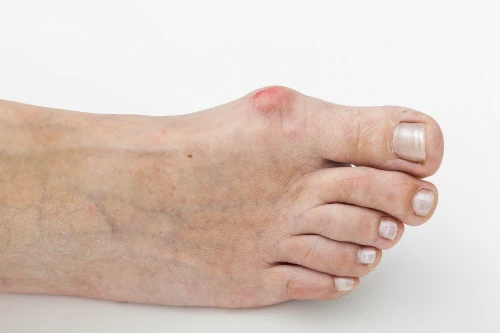
Hallux valgus can cause persistent pain, difficulty walking and discomfort when wearing shoes. Hallux valgus surgery aims to realign the great toe, relieve pain and restore comfortable footwear.
A successful outcome, however, depends not only on the operation itself but also on a carefully planned rehabilitation programme. Appropriate recovery allows the foot to heal correctly while gradually restoring mobility, strength and function.
When Should You Consider Knee Replacement Surgery?
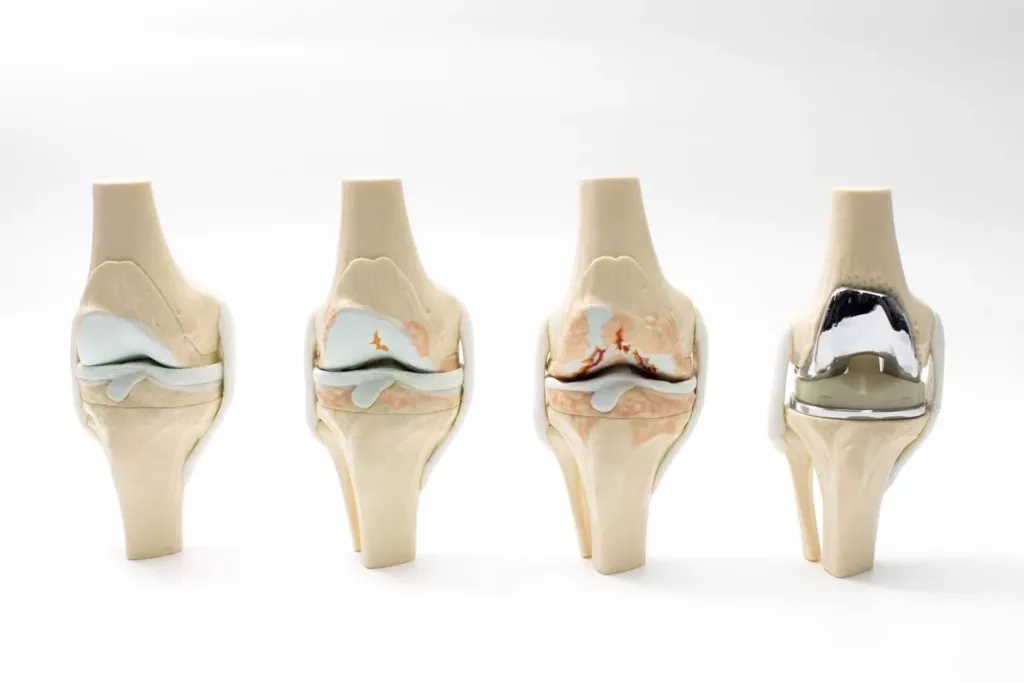
A knee replacement is one of the most effective surgical treatments for patients suffering from disabling knee pain caused by advanced joint degeneration. But how do you know when the time is right to consider surgery?
Understanding the signs that indicate a knee replacement may be appropriate is essential for restoring mobility, relieving pain and improving quality of life.
Should a Torn Cruciate Ligament Be Treated Surgically? Surgery or Conservative Treatment: Which Is the Best Option?
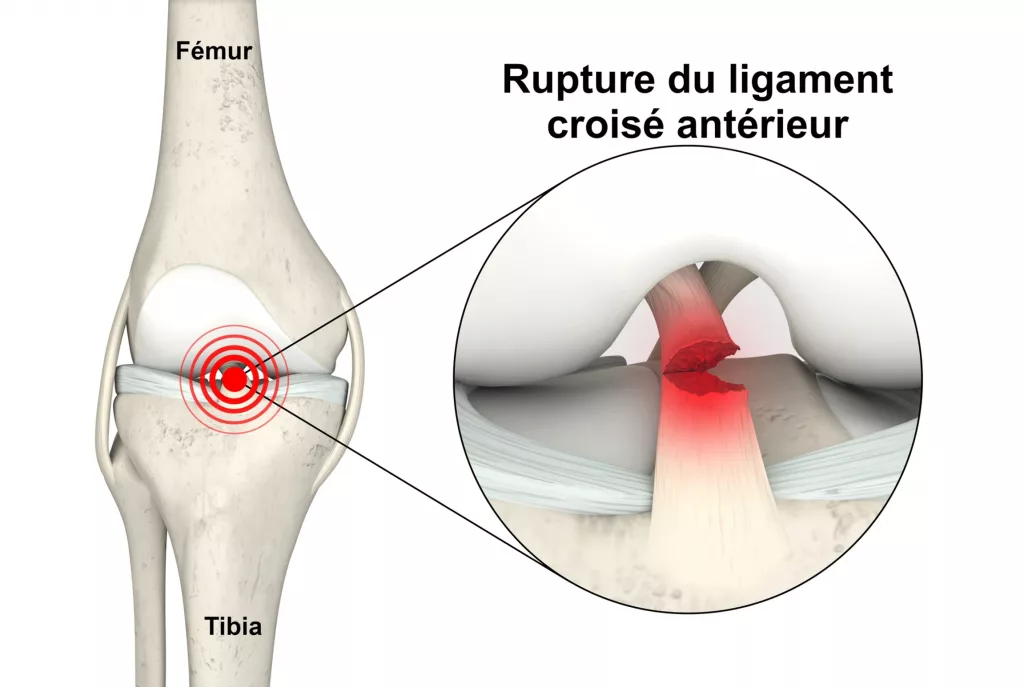
A cruciate ligament injury, particularly a tear of the anterior cruciate ligament (ACL), is one of the most common knee injuries among athletes, although it can also occur during everyday activities.
Following the diagnosis, one question almost always arises: is surgery necessary, or can the injury be managed successfully without an operation?
How Long Does a Hip Replacement Last?
Every prosthesis replacing a joint is subjected to mechanical stress that gradually causes wear of the materials from which it is made. Total hip replacements are no exception.
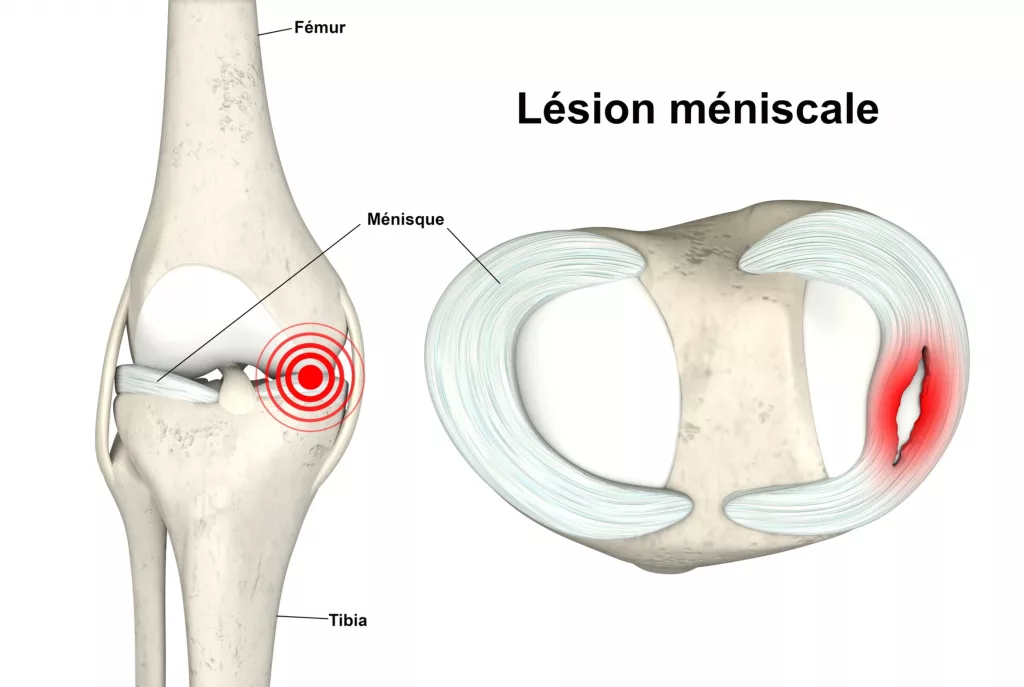
Should Meniscal Tears Be Treated Surgically?
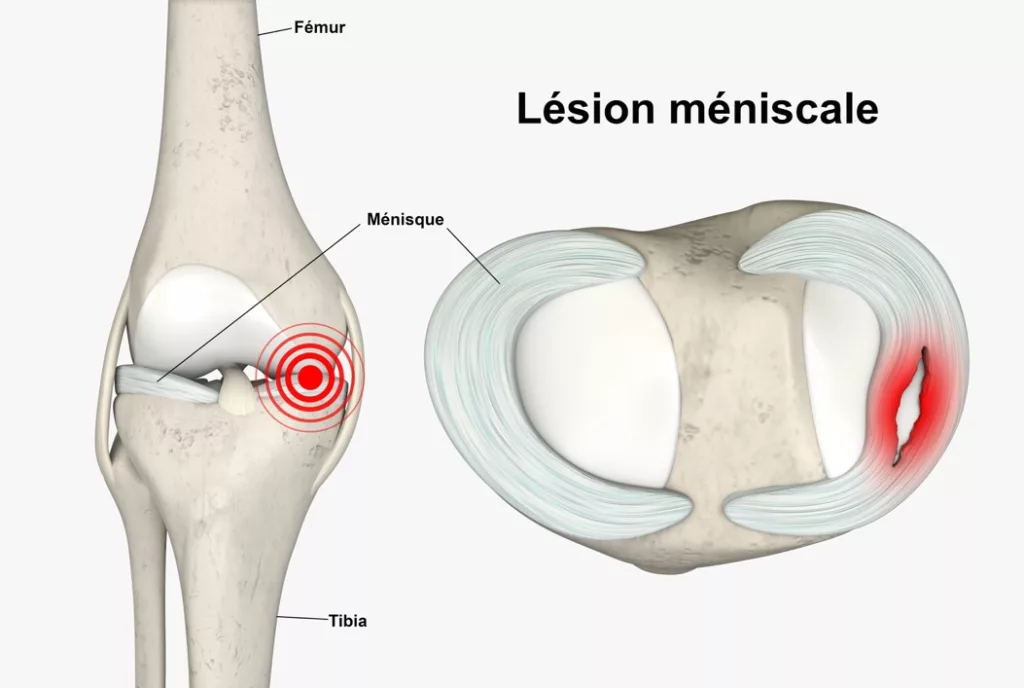
Each knee contains two crescent-shaped menisci: the medial meniscus (inner meniscus) and the lateral meniscus (outer meniscus). Their distinctive shape and fibrocartilaginous, elastic structure enable them to absorb shock and stabilise the knee joint. Repetitive mechanical stress or an acute traumatic injury can lead to a meniscal tear.
How Long Does a Knee Replacement Last?
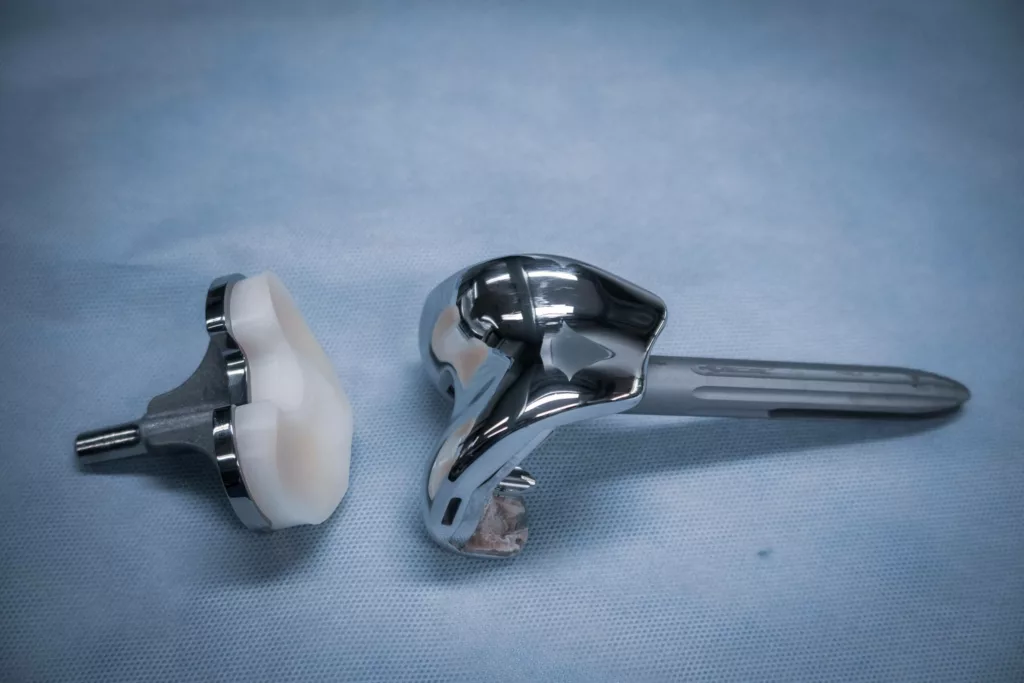
Every joint replacement is subjected to mechanical stresses that gradually lead to wear of the materials from which it is made. Total knee replacements and partial knee replacements (unicompartmental knee replacements) are no exception.
Which Sports Can You Practise After a Hip Replacement?
As the average age of patients undergoing hip replacement surgery continues to decrease, returning to sport has become an increasingly important expectation, alongside pain relief and the recovery of hip mobility.
When Should Hallux Valgus Be Treated Surgically?
Hallux valgus surgery should be performed neither too early nor too late. If the deformity does not cause significant symptoms in everyday life, conservative treatment is usually sufficient. However, when daily pain develops or the deformity becomes severe and affects the other toes, surgical correction becomes necessary.
Rehabilitation and Return to Sport After ACL Reconstruction
Anterior cruciate ligament (ACL) reconstruction is a procedure in which a tendon graft is used to replace the torn ACL. This graft is harvested from the hamstring tendons.
The graft is secured within bone tunnels using fixation devices (such as screws or staples). However, it takes approximately six months for the graft to transform into a strong ligament. Initially, the graft undergoes a period of biological vulnerability before progressively acquiring its definitive mechanical strength.
Hallux Valgus: Treatment and Surgery
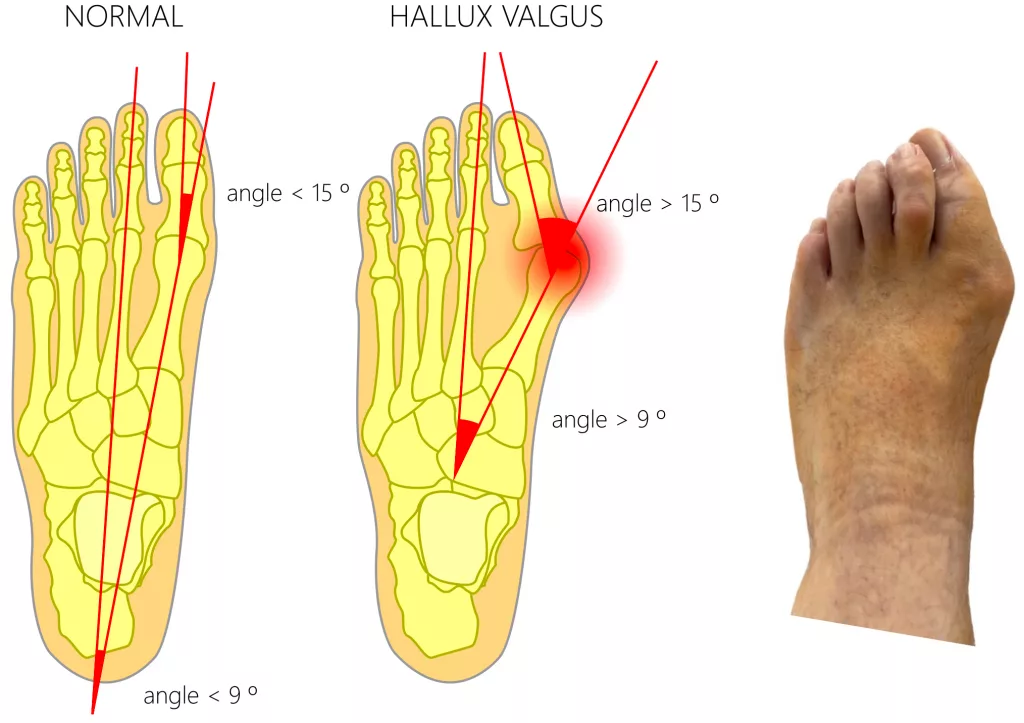
Hallux valgus, commonly known as a bunion, is a deformity of the great toe. The first metatarsal bone gradually deviates towards the inside of the foot, while the great toe shifts towards the lesser toes, resulting in the formation of a painful bony prominence on the inner side of the foot.
Anterior Cruciate Ligament (ACL) Tear: ACL Reconstruction Surgery
The anterior cruciate ligament (ACL) is a ligament located at the centre of the knee that plays a key role in stabilising the joint. ACL rupture is a very common injury (approximately 1 in 3,000 people) and most often occurs following a sports-related injury. Patients typically experience a popping sensation, followed by immediate pain.
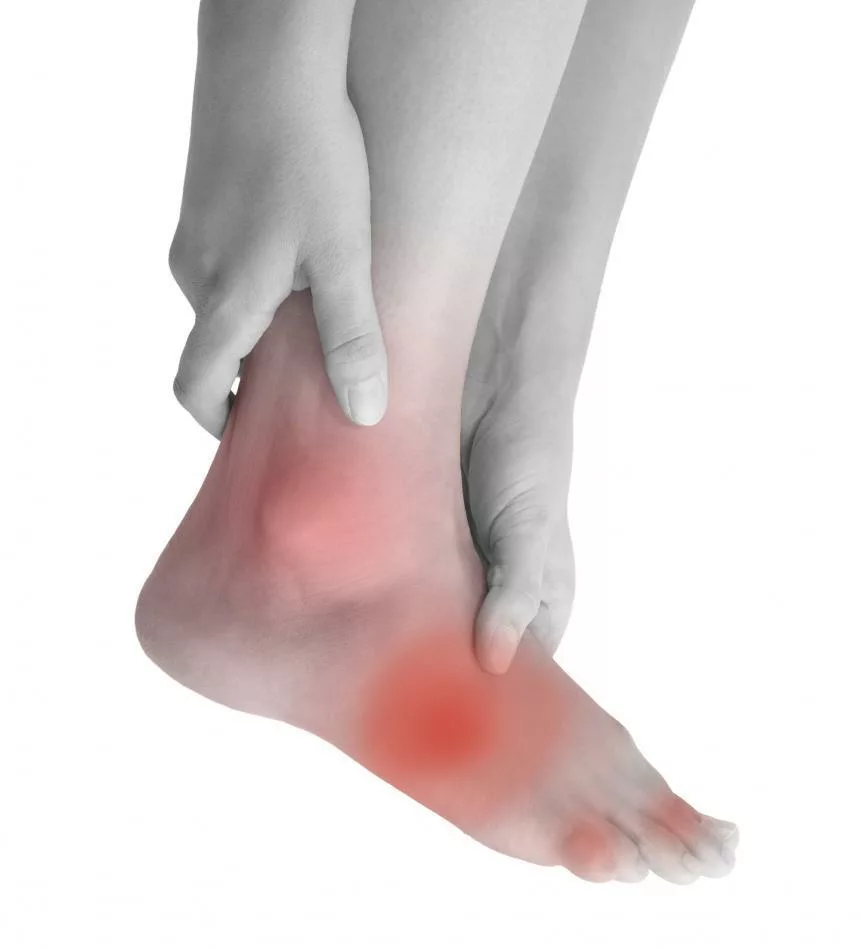
Guest on Le Magazine de la Santé: Foot Pain and Foot Surgery
Dr Simon Tournemine was invited to appear on Le Magazine de la Santé to discuss foot pain and foot surgery.
The foot is a complex anatomical structure that may be affected by a wide range of conditions, including deformities (hallux valgus, metatarsalgia, claw toes), degenerative disorders (osteoarthritis), traumatic injuries (sprains and fractures), as well as conditions such as ingrown toenails and Morton's neuroma.
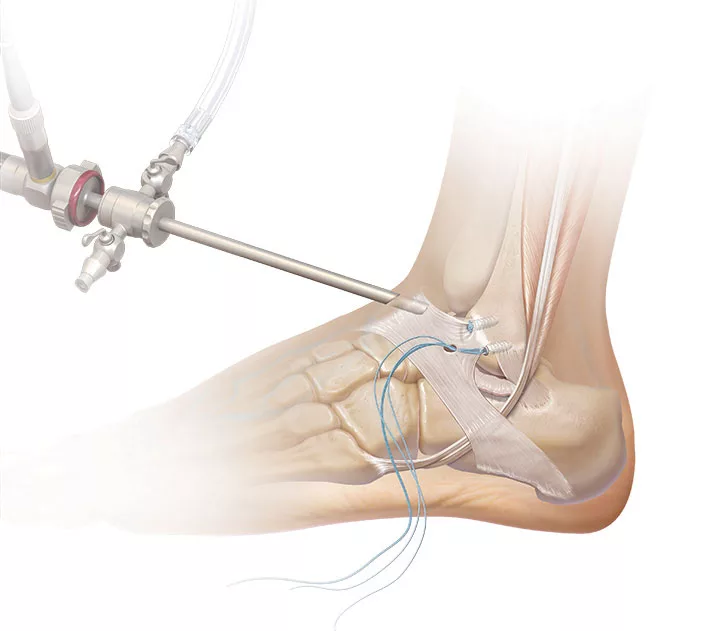
Ankle Ligament Reconstruction: Ankle Sprains and Chronic Instability
Rupture of the lateral ankle ligaments is a common consequence of an ankle sprain. When persistent instability develops, surgical reconstruction of these ligaments may be recommended.
The damaged ligaments are reconstructed using a tendon graft secured through bone tunnels created in the talus, calcaneus and fibula.
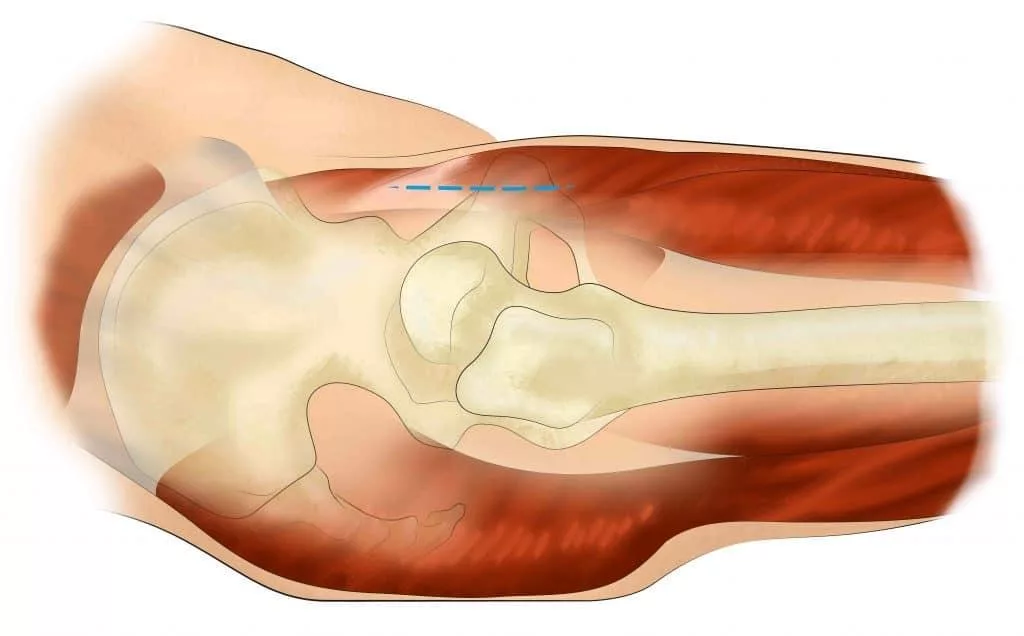
Minimally Invasive Total Hip Replacement Through the Anterior Approach
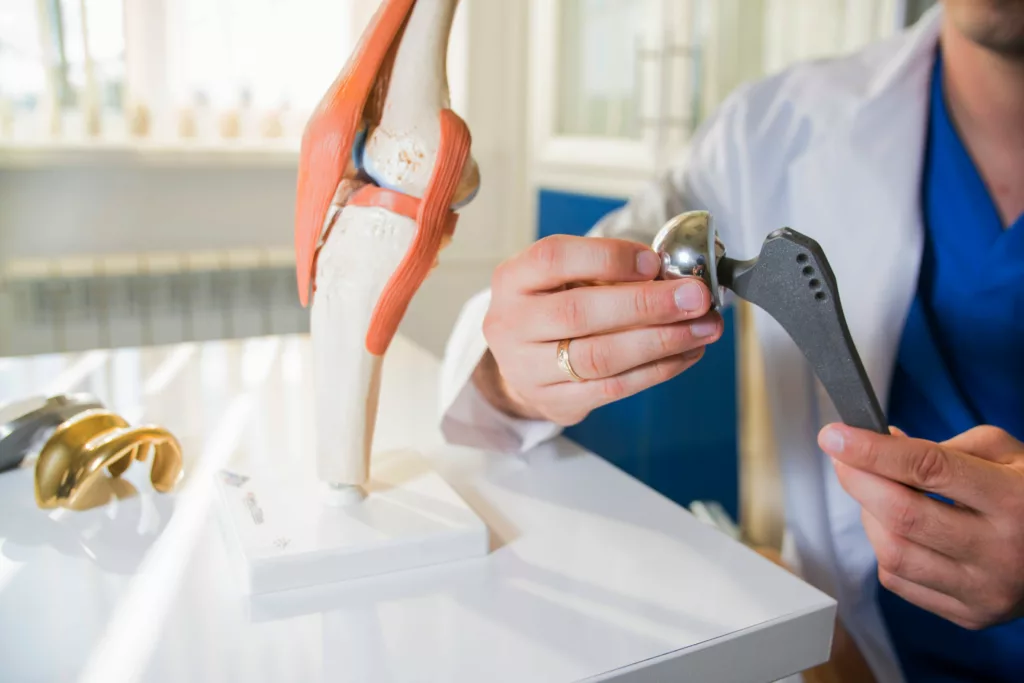
A total hip replacement is a surgical procedure that involves replacing a worn or damaged hip joint with an artificial joint. This artificial joint consists of three components that reproduce the shape and function of a healthy hip. A femoral stem is inserted into the femur and supports a femoral head, which articulates with an acetabular cup fixed within the pelvis.
Meniscal Tears: Meniscal Repair and Meniscectomy
Meniscal tears are a common cause of knee pain. They do not heal spontaneously and may result in persistent pain and mechanical symptoms within the knee.