
This is one of the questions patients ask most frequently during consultation. Whether performed for hallux valgus, Morton’s neuroma, hammer toes, or other foot disorders, foot surgery has long been associated with significant postoperative pain. However, pain management has undergone a remarkable transformation over the past decade. Today, the idea that patients should expect to suffer after surgery is outdated.
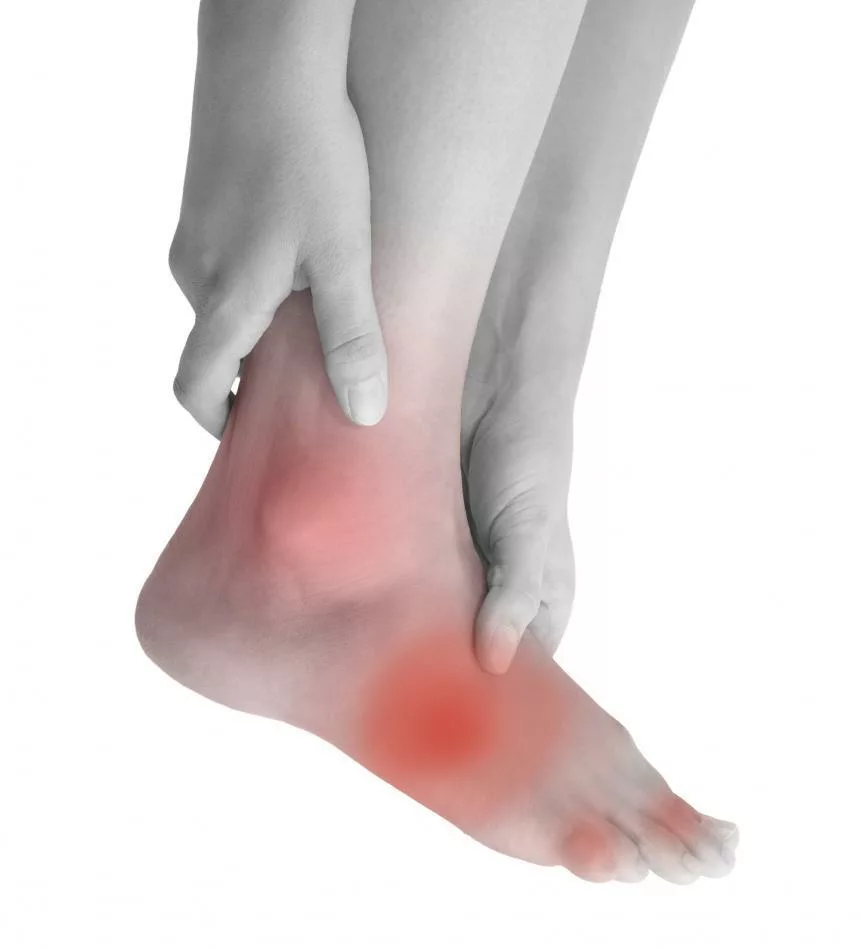
Why did foot surgery have a reputation for being painful?
Until relatively recently, foot surgery often involved large incisions, extensive bone procedures and prolonged immobilisation. As the foot contains a high density of sensory nerves, these techniques frequently resulted in considerable inflammation, swelling and postoperative pain.
Modern minimally invasive and percutaneous surgical techniques, combined with advances in anaesthesia and enhanced recovery protocols, have fundamentally changed the patient experience. Recovery is now significantly faster, with much lower levels of postoperative discomfort.
The three advances that have transformed postoperative pain management
The significant reduction in postoperative pain is largely due to three major developments.
1. Regional anaesthesia
Regional anaesthesia represents one of the greatest advances in modern foot surgery. Rather than putting the entire body to sleep, only the nerves supplying the foot are temporarily blocked.
The benefit
The foot remains numb for approximately 12 to 24 hours following surgery, allowing patients to pass through the period when pain would normally be most intense. Most patients are able to return home comfortably on the day of surgery and begin walking immediately using a protective postoperative shoe.
2. Minimally invasive and percutaneous surgery
Many foot procedures are now performed through tiny skin incisions measuring only a few millimetres, rather than traditional open approaches.
The benefit
Smaller incisions minimise soft tissue trauma, reduce bleeding and shorten operating time, resulting in significantly less postoperative inflammation, swelling and pain.
3. Enhanced Recovery After Surgery (ERAS)
Modern postoperative care encourages patients to begin walking immediately using a dedicated orthopaedic shoe.
The benefit
Early mobilisation stimulates circulation, reduces swelling and promotes faster functional recovery. Most patients therefore return home on the day of surgery with immediate weight-bearing according to their surgeon’s instructions.
What should you expect after surgery?
It would be inaccurate to say that you will experience absolutely no discomfort. However, severe postoperative pain is now uncommon. Most patients report only mild discomfort during recovery.
The first 24 hours
Thanks to regional anaesthesia, pain is generally minimal or absent during the first postoperative day. This period allows you to return home and rest comfortably.
As sensation returns
As the nerve block gradually wears off, tingling followed by warmth in the foot is common. This is when your prescribed pain medication begins to take over, maintaining effective pain control.
The following days
Swelling usually becomes the main source of discomfort rather than pain itself. Elevating the foot and taking the prescribed analgesics allow patients to remain comfortable while walking independently. Longer periods of standing or walking should nevertheless be avoided during the first few weeks.
Practical advice to minimise postoperative discomfort
Keep your foot elevated
This is the single most important recommendation. During the first two weeks, your foot should remain above the level of your heart whenever possible to reduce swelling and promote healing.
Apply ice regularly
Cold therapy acts as a natural anti-inflammatory measure and helps relieve swelling and discomfort when applied correctly.
Take your medication as prescribed
Do not wait until pain develops before taking your medication. Effective pain control relies on preventing pain rather than reacting to it. The combination of analgesics and anti-inflammatory medication prescribed by your anaesthetist is generally required only during the first 48 to 72 hours.
Move your toes and walk
Gentle toe movements and early walking in your postoperative shoe form an important part of your rehabilitation programme. Early mobilisation promotes circulation, reduces swelling and helps maintain independence during daily activities.
Expected discomfort according to the procedure
| Procedure | Estimated pain level | Typical duration of discomfort |
| Percutaneous hallux valgus correction | 2–3/10 | Approximately 72 hours |
| Hammer toe correction | 1–2/10 | Approximately 48 hours |
| Morton’s neuroma excision | Around 2/10 | Approximately 72 hours |
Conclusion: Should you still be concerned about pain?
In short, modern foot surgery is no longer associated with the level of pain it once was. Advances in regional anaesthesia, minimally invasive surgical techniques and enhanced recovery protocols have made these procedures considerably more comfortable than in the past.
Most patients return home on the day of surgery and are able to walk immediately with appropriate postoperative footwear.
If a foot condition is preventing you from walking comfortably or wearing normal shoes, concern about postoperative pain should no longer prevent you from considering treatment. A specialist consultation with an orthopaedic foot surgeon will help determine the most appropriate management strategy based on your symptoms, lifestyle and treatment goals.