
Hip osteoarthritis (coxarthrosis) leads to stiffness and pain that significantly deteriorate quality of life. When medical treatments are no longer sufficient, total hip replacement (THR) becomes the standard solution.
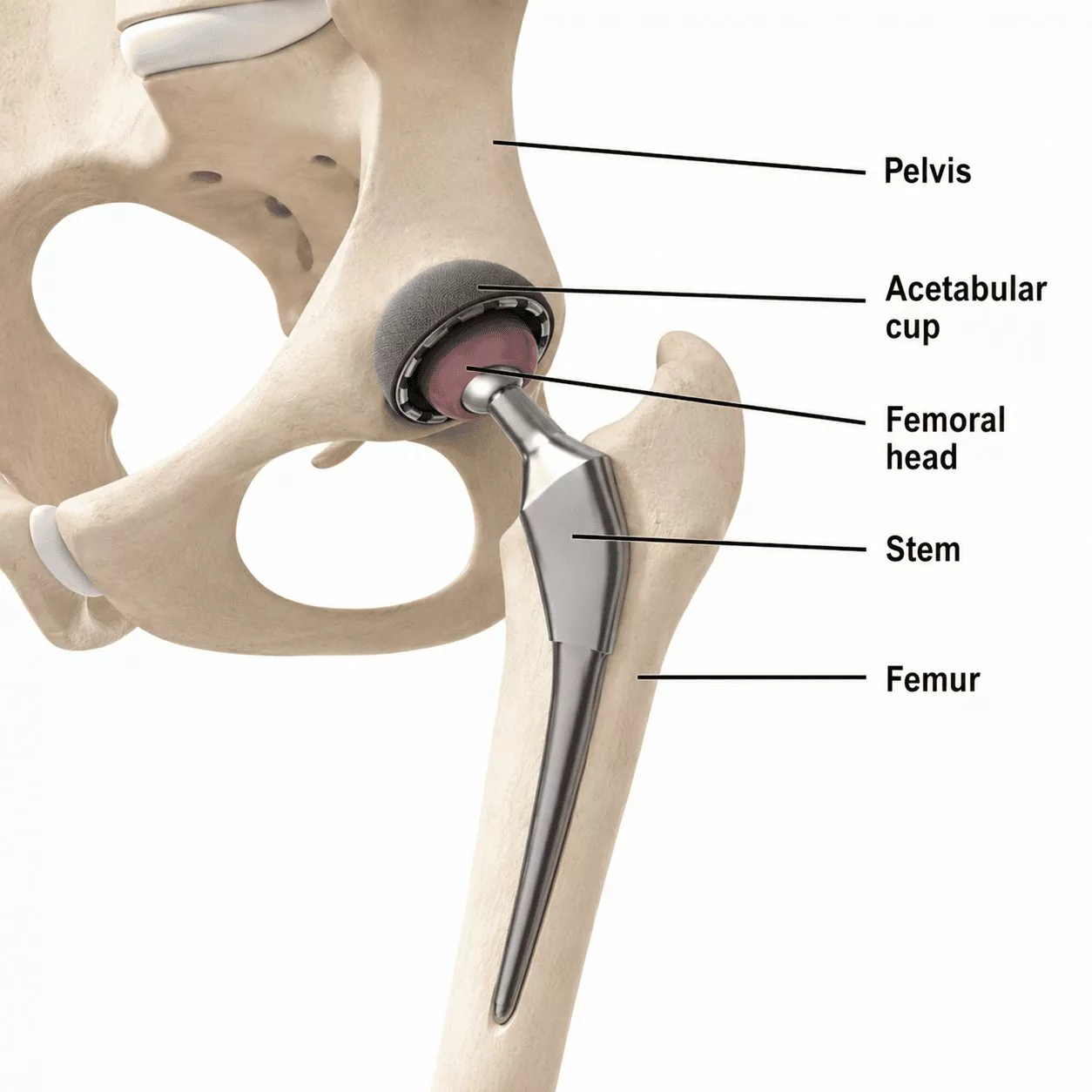
Today, surgical techniques have evolved considerably. Among them, total hip replacement via a minimally invasive anterior approach has emerged as a preferred technique to promote rapid recovery and preserve patient anatomy.
What is the direct anterior approach for hip replacement?
The anterior approach is a so-called minimally invasive surgical technique. Unlike traditional surgical approaches (posterior or lateral), the surgeon accesses the hip joint by passing between natural intermuscular and internervous planes, without cutting or detaching any muscles or tendons.
This preservation of the muscular structure (particularly the gluteus maximus and pelvitrochanteric muscles) radically changes the postoperative outcome and the speed of rehabilitation.
Key benefits of the anterior approach
Opting for a hip replacement via the direct anterior approach offers major benefits for the patient:
- Accelerated functional recovery: By preserving the stabilizing muscles of the hip, weight-bearing and walking are possible on the very day of the surgery.
- Reduced risk of dislocation: Preserving the posterior joint capsule and surrounding muscles ensures maximum joint stability starting immediately after surgery.
- Decreased postoperative pain: The absence of muscle transection reduces inflammation and the need for painkillers.
- Shorter hospital stay: This technique aligns fully with Enhanced Recovery After Surgery (ERAS / RAAC) protocols and frequently enables outpatient care or a very short stay (24 to 48 hours).
Wound healing and cosmetic outcome
The anterior approach is characterized by an incision located on the front of the thigh, generally measuring around 10 centimeters (4 inches).
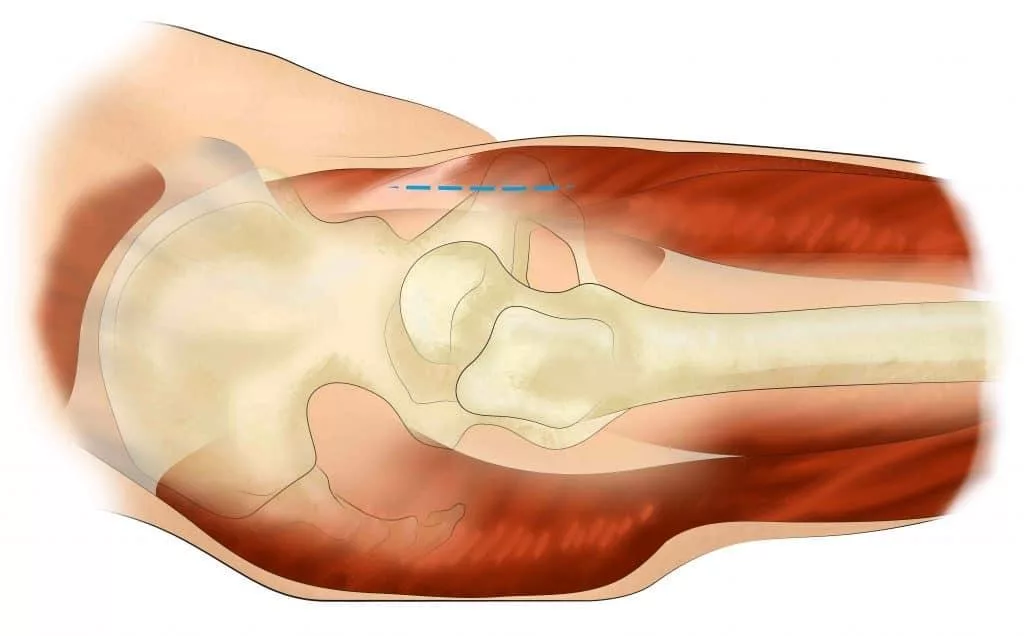
Skin healing takes approximately 15 to 21 days. The use of absorbable intradermal sutures and surgical glues yields a fine, discreet scar. It is recommended to protect the scar from sun exposure for one year and to apply a moisturizing or drying cream according to the instructions provided upon discharge.
Postoperative recovery timeline: What to expect?
1. Day of surgery and the first week
- Walking and weight-bearing: Getting up and full weight-bearing walking are encouraged just a few hours after surgery, assisted by the care team or a physical therapist.
- Walking aids: The use of two crutches is recommended during the first few days to secure walking, before being gradually phased out after about a week.
2. The first month
- Driving: Resuming driving is generally feasible between 2 and 4 weeks post-surgery, once motor control of the leg is sufficient and pain medication has been discontinued.
- Daily independence: Unlike standard approaches, strict post-op movement restrictions (such as crossing legs) are minimal, allowing patients to quickly regain independence for dressing or putting on shoes.
3. Return to work and sports
- Work leave: The duration varies according to profession: 3 to 4 weeks for sedentary office work, and 6 to 12 weeks for physically demanding jobs.
- Resuming sports: Low-impact activities (brisk walking, stationary cycling, swimming once fully healed) can be resumed between the 4th and 6th week. High-impact or pivot sports require case-by-case approval from your surgeon.
Frequently Asked Questions (FAQ)
How long does a hip replacement last?
Modern implants made of ceramic or highly cross-linked polyethylene offer an average lifespan exceeding 30 years.
Is inpatient rehabilitation required after surgery?
In the vast majority of cases, returning directly home is the standard. Rehabilitation is mainly self-directed through daily walking, complemented by a few sessions with a private physical therapist if needed.
Are there movements strictly forbidden with the anterior approach?
Because the risk of dislocation is extremely low with this approach, strict postural precautions are very limited. Your surgeon will specify any specific movements to avoid during the initial weeks