
The hip is one of the most heavily used joints in the human body. When it becomes painful, the impact on everyday life can be considerable. Walking, putting on shoes or socks, getting in and out of a car, or simply standing up from a chair may become increasingly difficult.
When the hip joint is severely damaged, total hip arthroplasty (hip replacement surgery) is a well-established procedure that consistently delivers excellent functional outcomes and significant pain relief.
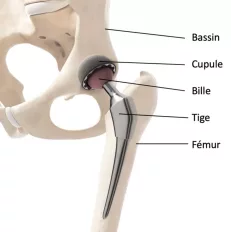
But how do you know when the time is right to consider surgery?
As an orthopaedic surgeon specialising in hip surgery, I help patients recognise the medical signs that indicate when a hip replacement may be the most appropriate solution.
1. Understanding the underlying cause: Hip osteoarthritis
In the vast majority of cases, the need for a hip replacement results from hip osteoarthritis (coxarthrosis), a progressive degeneration of the cartilage covering the joint surfaces.
Healthy cartilage acts as a smooth, protective cushion that allows the femoral head and acetabulum to glide painlessly during movement. As this cartilage wears away, the bones begin to rub directly against one another, leading to increasing pain, stiffness and loss of function.
Other conditions may also require hip replacement surgery, including:
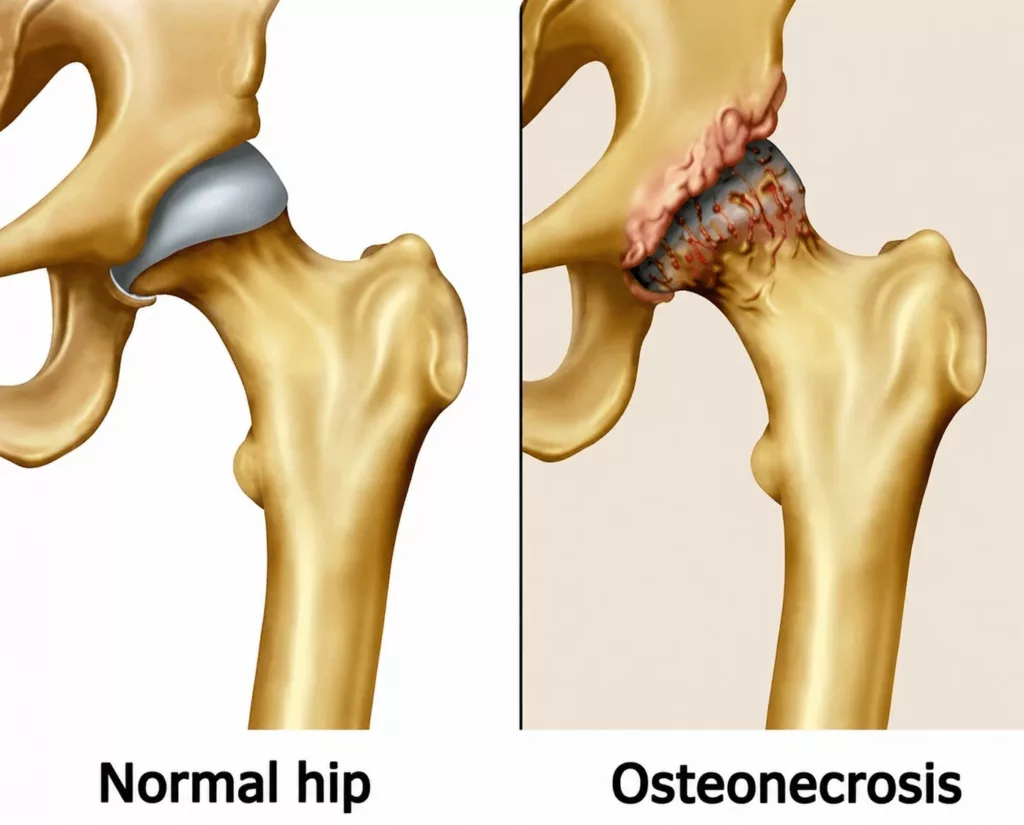
- Avascular necrosis, in which loss of blood supply causes collapse of the femoral head.
- Post-traumatic arthritis, following poorly healed hip fractures or previous injuries.
- Inflammatory joint diseases, such as rheumatoid arthritis.
2. Four warning signs that should prompt you to seek specialist advice
The decision to proceed with surgery is based not only on X-rays, but above all on your symptoms and the impact they have on your quality of life.
Persistent and disabling pain
Pain caused by hip osteoarthritis is typically felt in the groin or buttock, and may radiate towards the knee.
Initially, discomfort occurs only during physical activity. As the disease progresses, however, pain becomes more frequent, persists even at rest and may disturb sleep at night.
Progressive stiffness and loss of mobility
You may notice increasing difficulty spreading your leg apart or rotating your hip.
Simple everyday activities, such as putting on socks or shoes, climbing stairs or getting into a car, gradually become more challenging.
Limping
To reduce pain, patients often unconsciously alter the way they walk.
This compensatory limp progressively limits walking distance and may eventually place additional strain on the lower back and the opposite lower limb.
Failure of conservative treatment
Hip replacement surgery is never the first-line treatment.
It is considered only when non-surgical management no longer provides adequate relief, despite measures such as:
- pain-relieving medication and anti-inflammatory drugs;
- physiotherapy to maintain muscle strength and joint mobility;
- corticosteroid or hyaluronic acid injections.
3. Is there an ideal age for hip replacement?
A common misconception is that patients should wait until they are “old enough” before undergoing hip replacement surgery.
In reality, there is no ideal age, only appropriate indications.
For older adults (70 years and above), the objective is to preserve independence, maintain mobility and reduce the risk of falls.
For younger patients (under 60 years of age), maintaining an active professional and personal lifestyle is often a priority. Advances in implant technology, particularly ceramic bearing surfaces, now provide excellent long-term durability, allowing younger patients to benefit from surgery without undue concern regarding premature implant wear.
Delaying surgery for too long may also have consequences. Prolonged pain can lead to muscle wasting (atrophy), severe stiffness and reduced physical conditioning, making postoperative rehabilitation longer and more demanding.
4. How is the decision to operate made?
The decision to proceed with hip replacement surgery is made during a specialist consultation and is based on several complementary factors.
Clinical assessment
Your surgeon evaluates your symptoms, walking capacity, hip mobility and the impact of pain on your daily activities.
Imaging assessment
Weight-bearing anteroposterior and lateral radiographs of the hip allow accurate evaluation of joint space narrowing, cartilage loss and the severity of osteoarthritis.
Your personal goals
Every patient has different expectations.
Someone wishing to return to cycling, hiking or gardening may have different functional objectives from someone with a more sedentary lifestyle. These goals are taken into account when planning treatment.
Thanks to modern muscle-sparing minimally invasive techniques, including the direct anterior approach, hospital stays are now considerably shorter, with some procedures performed on a day-case basis. Postoperative pain is generally limited, recovery is rapid and most patients regain a normal gait without walking aids within a few weeks.
Conclusion: Don’t Wait Until the Pain Takes Control
Living with persistent hip pain should never be considered an inevitable consequence of ageing.
If pain is dictating your daily routine, limiting your mobility or preventing you from enjoying the activities that matter most, it is time to seek specialist advice.
A total hip replacement can restore a pain-free joint, improve mobility and significantly enhance your quality of life.
If you are experiencing persistent hip pain and conservative treatments no longer provide sufficient relief, arrange a consultation for a comprehensive assessment. Together, we can evaluate the condition of your hip and discuss the treatment options best suited to your needs.